Tactical silence: the strategic imperative of inflatable acoustic barriers and walls in modern warfare
In an era where thermal imaging, acoustic signatures, and seismic sensors dictate survival on the battlefield, controlling sound is as critical as armor plating.
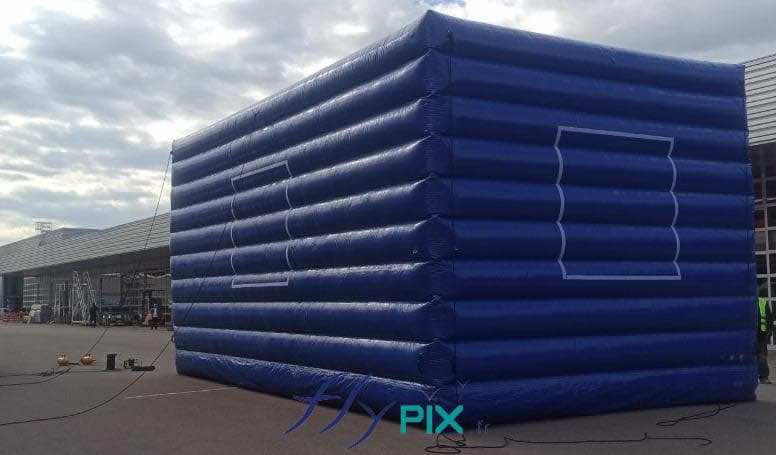
Inflatable acoustic walls and noise-reduction barriers represent a revolutionary leap forward in military discretion, logistics, and training safety.
By leveraging advanced pneumatic engineering, these lightweight, rapidly deployable structures attenuate high-decibel ballistic signatures, conceal troop movements, and transform hostile acoustic environments into zones of strategic superiority.
We provide:
- 3 Descenders, Paris Airport, Airbus, Alstom, Andra, French Army, Bouygues Bâtiment, Celeste Airships, Chantiers Modernes, CNES, CNRS, Colas, Colas Rail, French Red Cross, Red Crescent, EADS, EDF, Eurovia, Fayat, Flexi France, National Gendarmerie, Bolloré Group, IrvinGQ France SAS, French Navy, Marti Group, Ministry of Defence, Ministry of the Armed Forces, NJ Décobéton, Nexter, Noé Jacquier, Nouvetra, OGB Lux, Civil Protection, RATP, Razel-Bec, Sade, SAMU, SDIS, Sefrim Environnement, SMUR, SNCF, Sol Environnement, Technip, Thales, Valgo, Vinci, Wabtec…
Modern combat is defined by sensory saturation.
The roar of mechanized infantry, the shattering overpressure of artillery, and the distinct acoustic crack of small arms fire not only betray tactical positions to enemy signals intelligence (SIGINT) but also inflict severe cognitive and physiological tolls on personnel.
Traditional methods of noise mitigation—such as earthen berms, concrete ballistic barriers, or permanent acoustic paneling—are fundamentally incompatible with the fluid, high-mobility requirements of asymmetric and peer-to-peer warfare.
They require heavy machinery, extensive logistics chains, and hours or days of preparation.
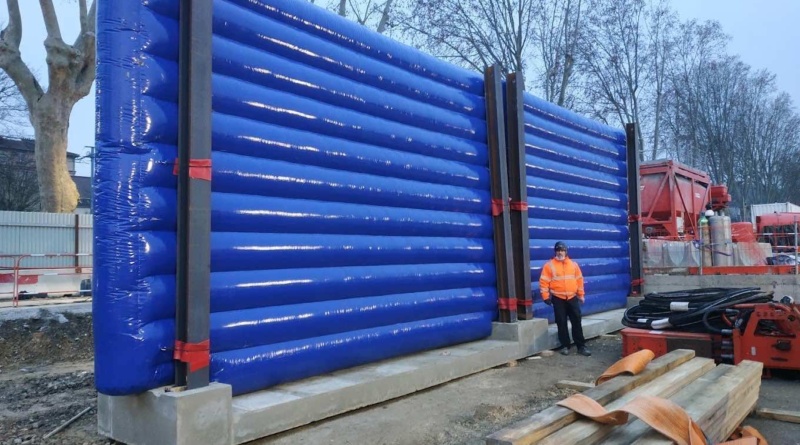
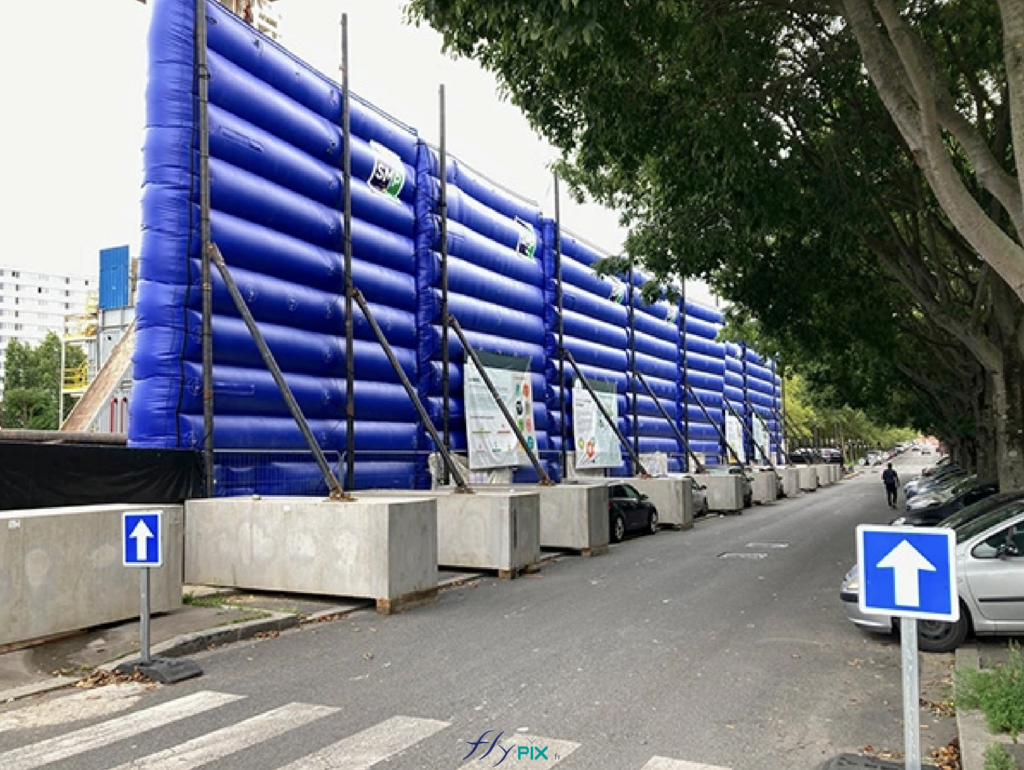
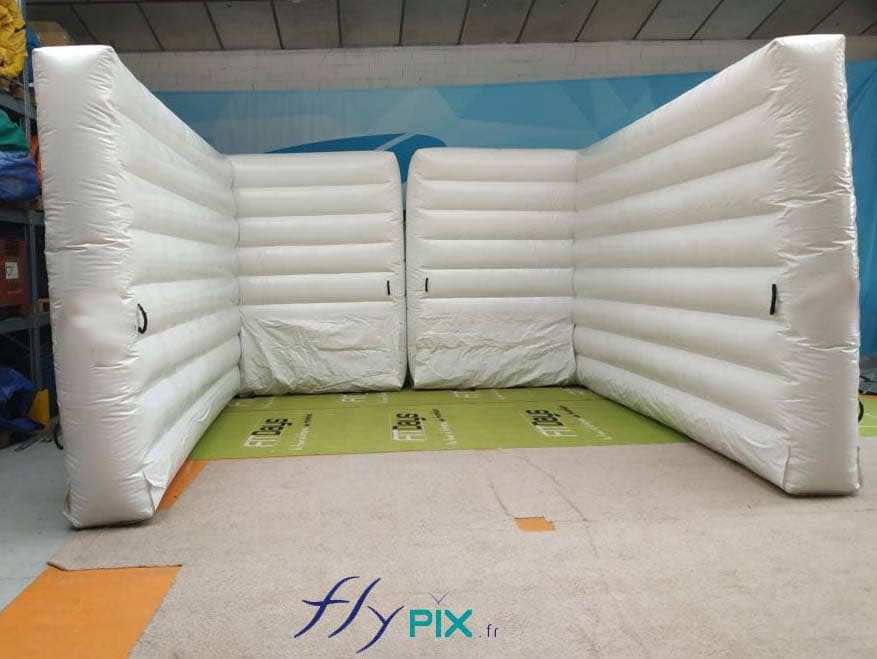
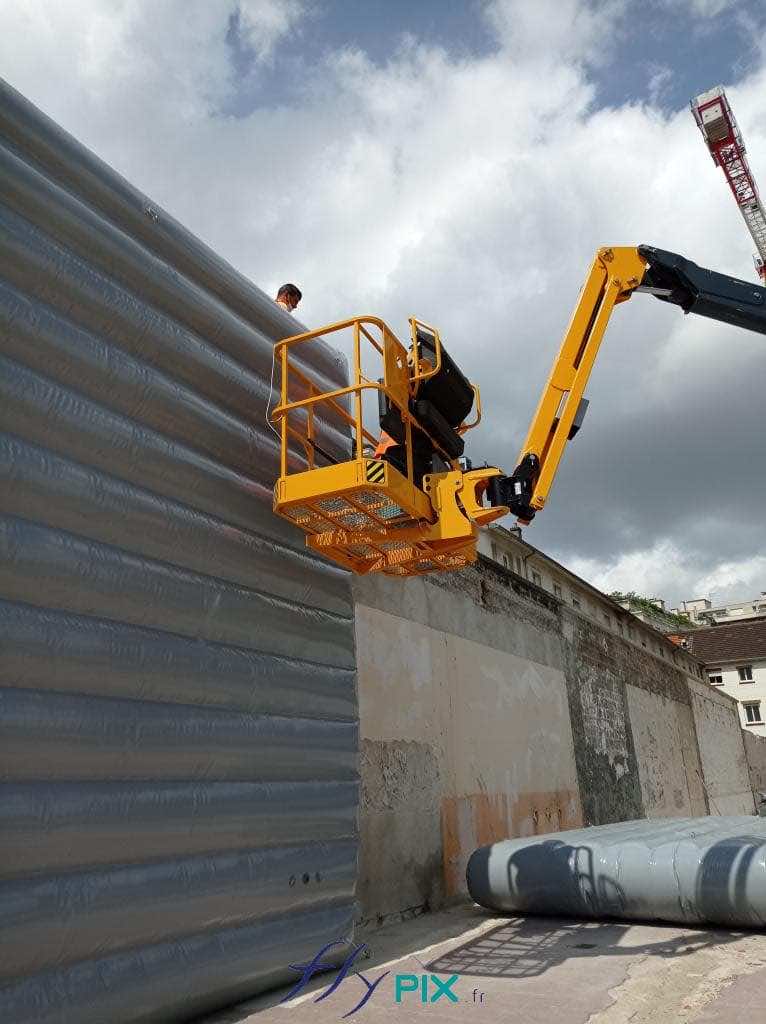
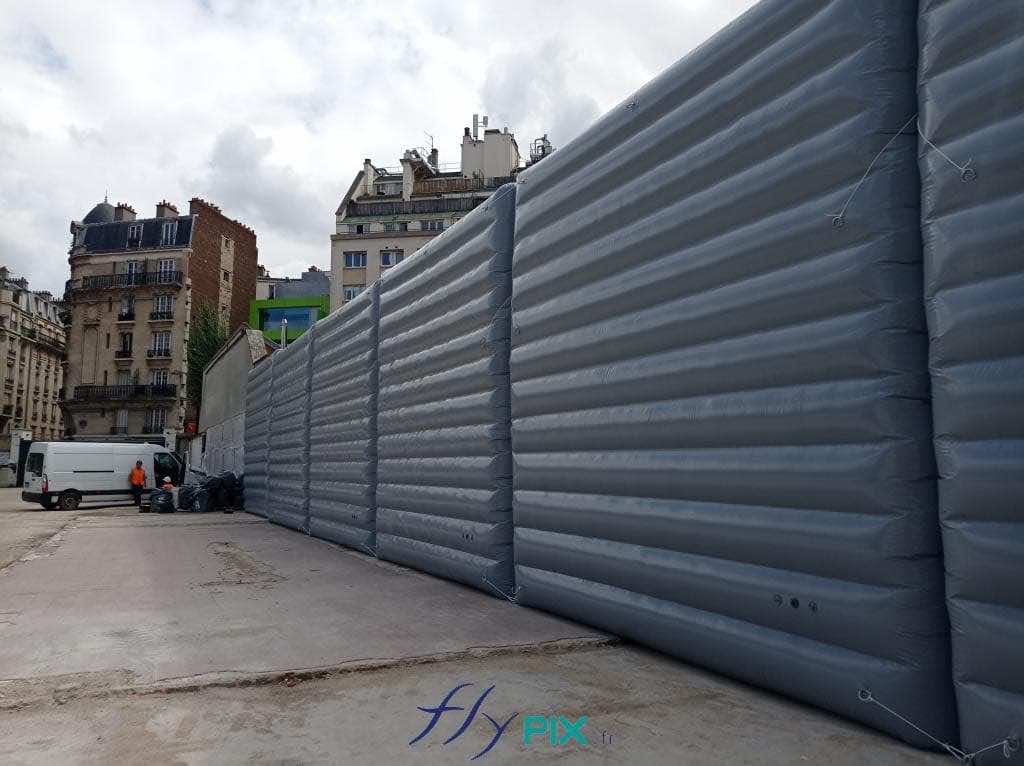
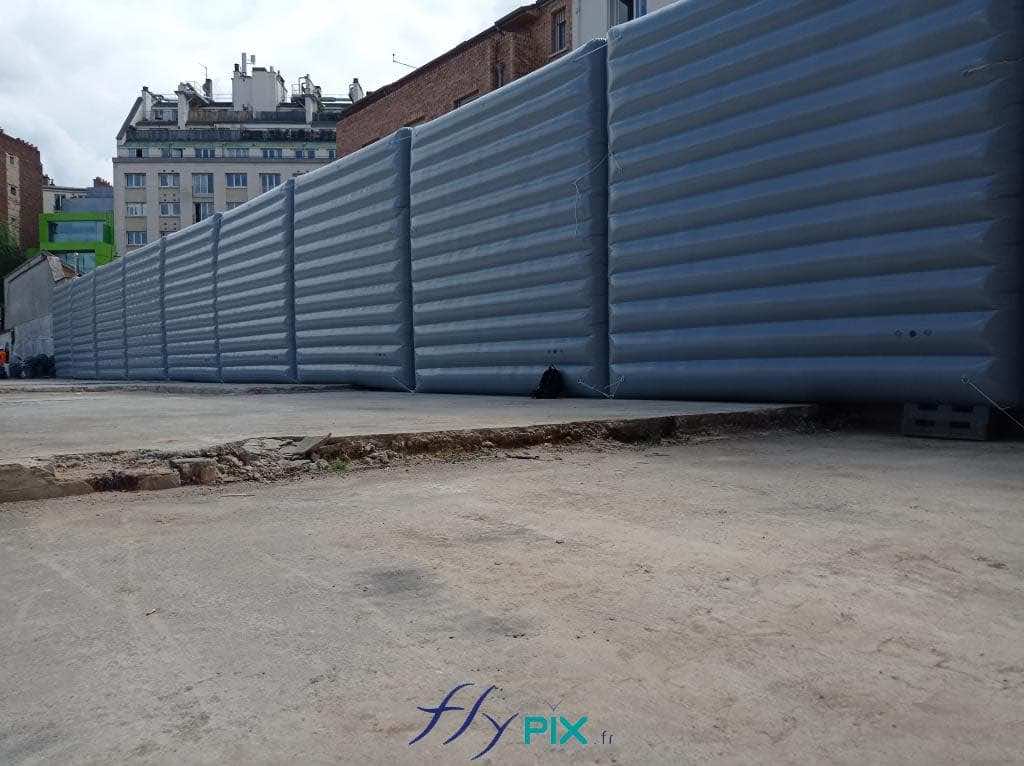
In contrast, pneumatic acoustic mitigation technology introduces a paradigm shift. Inflatable noise-reduction walls utilize multi-layered, gas-filled chambers combined with specialized sound-absorbing textiles to create highly efficient acoustic dampening zones.
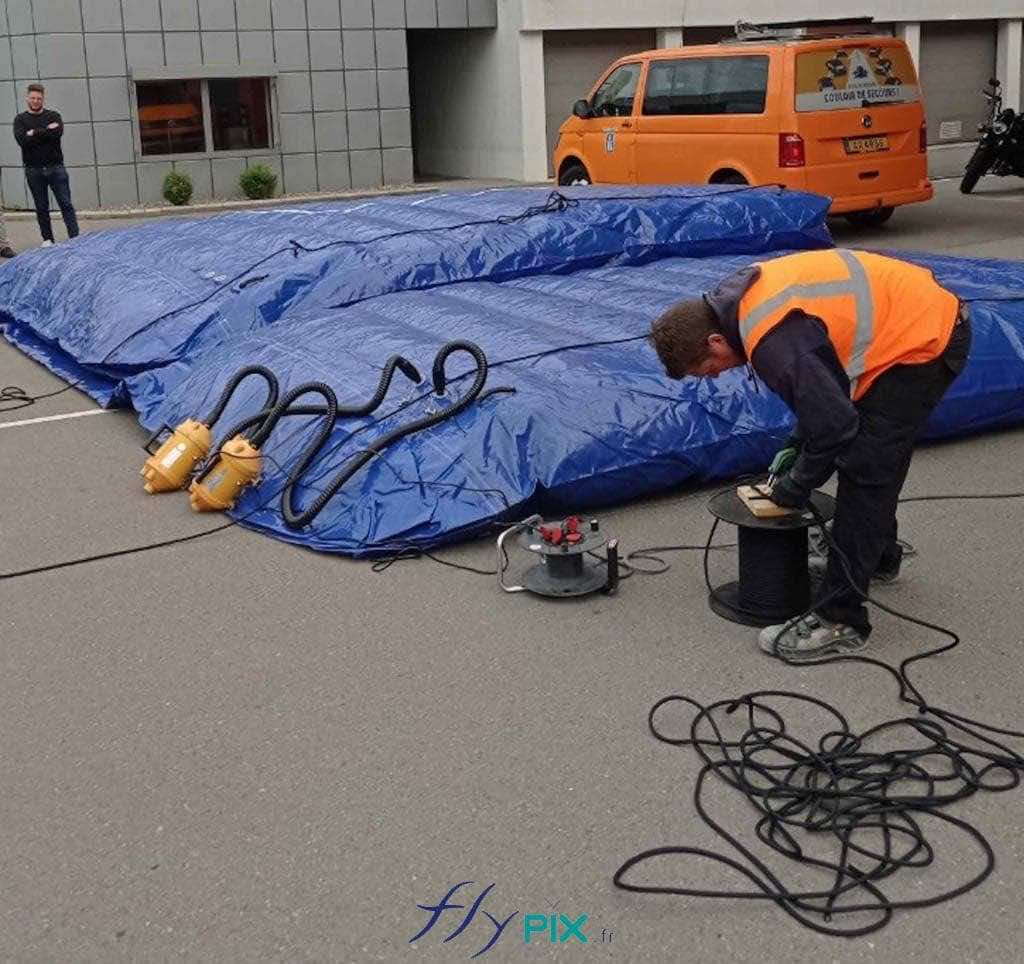
These systems can be transported in the back of a light utility vehicle, inflated within minutes using standard field compressors, and tailored to neutralize specific frequency bands.
From suppressing the noise footprint of forward operating base (FOB) generators to masking the sound of armor mobilization and protecting recruits during intense live-fire training, inflatable barriers are redefining the boundaries of military discretion and structural engineering.
The physics of acoustic dampening in pneumatic structures
Cavity resonance and multi-layered impedance
The efficacy of inflatable walls lies in their internal architectural complexity.
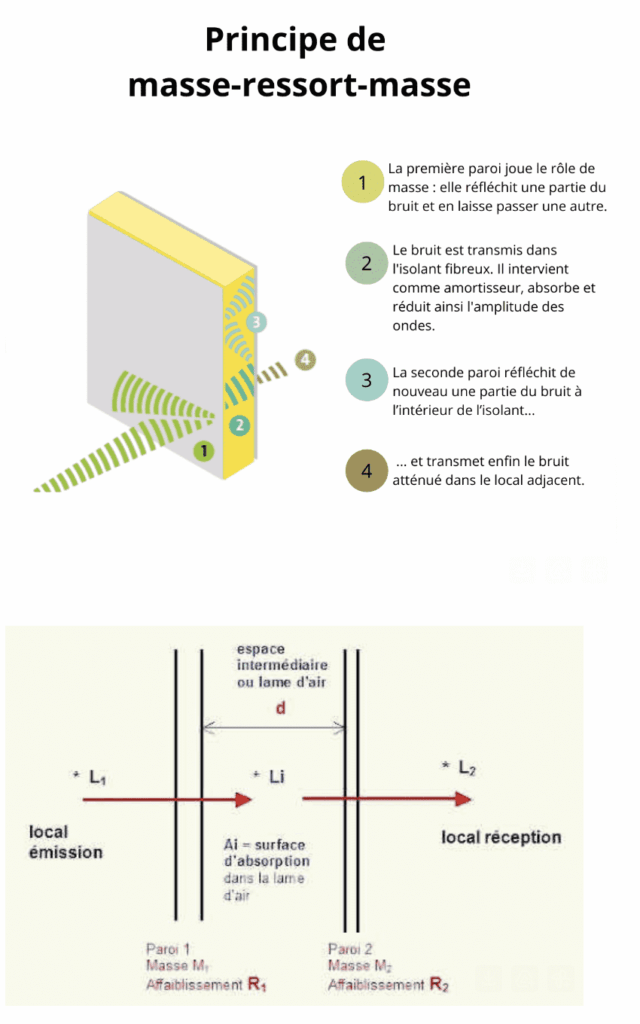
Rather than relying on raw mass alone to block sound waves—as a concrete wall does—pneumatic barriers utilize a combination of acoustic impedance mismatches and cavity resonance disruption.
When a sound wave encounters the exterior skin of an inflatable wall, it passes through a specialized high-density polymer or aramid textile.
This initial boundary layer reflects a portion of the high-frequency energy.
As the remaining wave enters the internal gas-filled chambers, it experiences a drop in impedance.
By filling these chambers with specific air pressures or alternative dampening gases, engineers can tune the internal environment to create destructive interference patterns.
Sound waves bounce off internal baffle systems, dissipating their kinetic energy as minute amounts of thermal energy within the textile matrix.
Texturing and open-cell composite integrations
To suppress low-frequency rumble, which is typically the hardest to contain, advanced military inflatable barriers incorporate open-cell acoustic foams or fibrous mats suspended within the pneumatic core.
This composite design prevents the internal air cavities from acting as resonators. Furthermore, the external surfaces are often sculpted with micro-perforations or geometric texturing rather than flat planes.
This diffuses incoming sound waves in multiple directions, preventing a clean acoustic echo that enemy acoustic triangulation systems could exploit to locate the barrier itself.
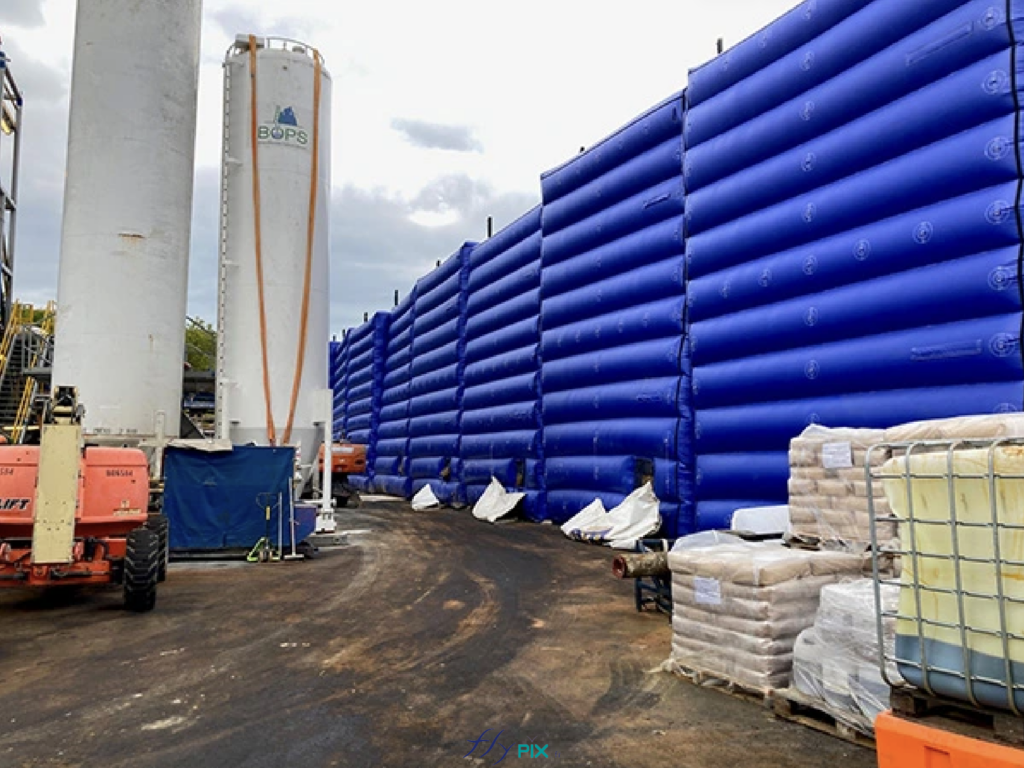
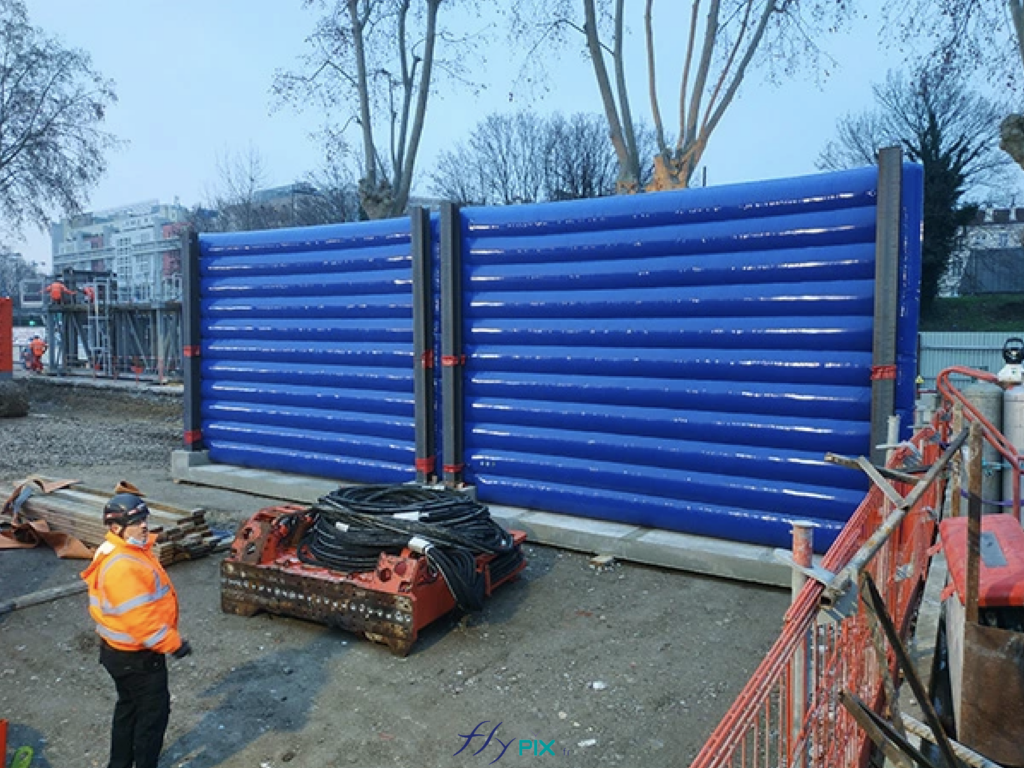
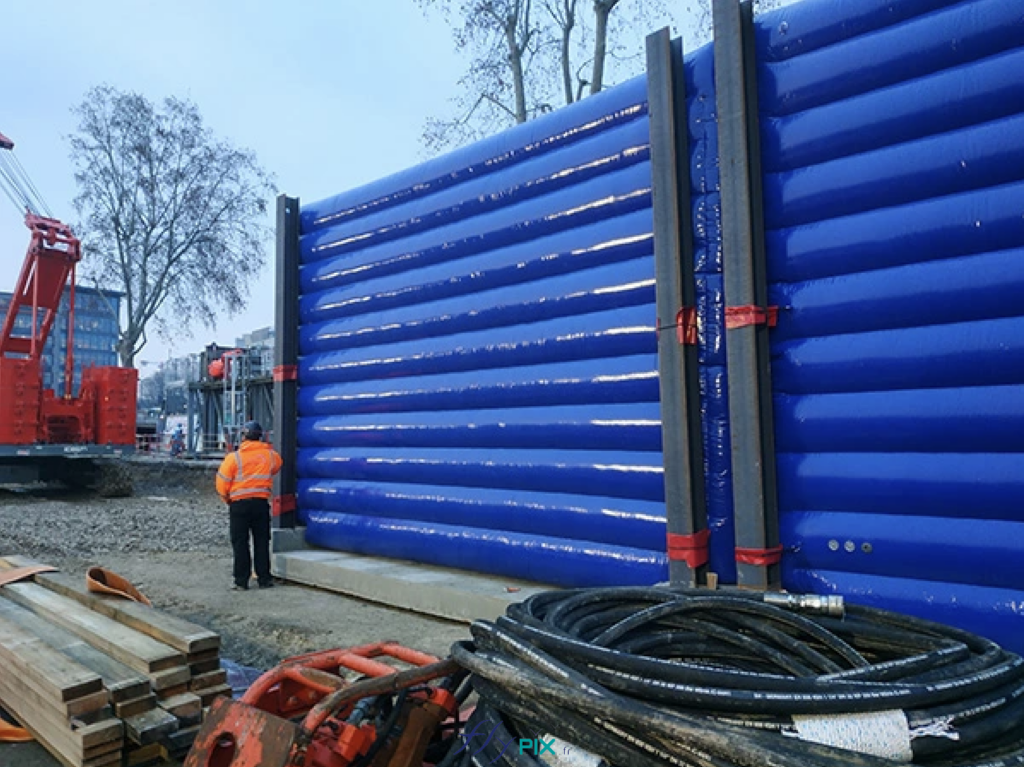
Tactical deployment in active combat zones
Masking mechanized movements and staging areas
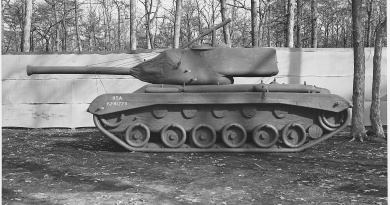
In the theater of operations, the auditory signature of heavy machinery, main battle tanks, and armored personnel carriers can be detected miles before visual contact is established.
By deploying modular inflatable acoustic screens around staging areas and refueling points, commanders can significantly compress the enemy’s acoustic detection radius.
These walls act as a sound shield, redirecting the low-frequency drone of idling diesel engines and hydraulic systems upward into the atmosphere rather than across the terrain vector, effectively blending tactical noise into the ambient environmental background.
Securing forward operating base perimeters
Forward Operating Bases (FOBs) and Combat Outposts (COPs) are inherently noisy environments.
Power generators, tactical operations centers, and low-altitude radar cooling units run continuously, creating a constant beacon for enemy electronic and acoustic reconnaissance.
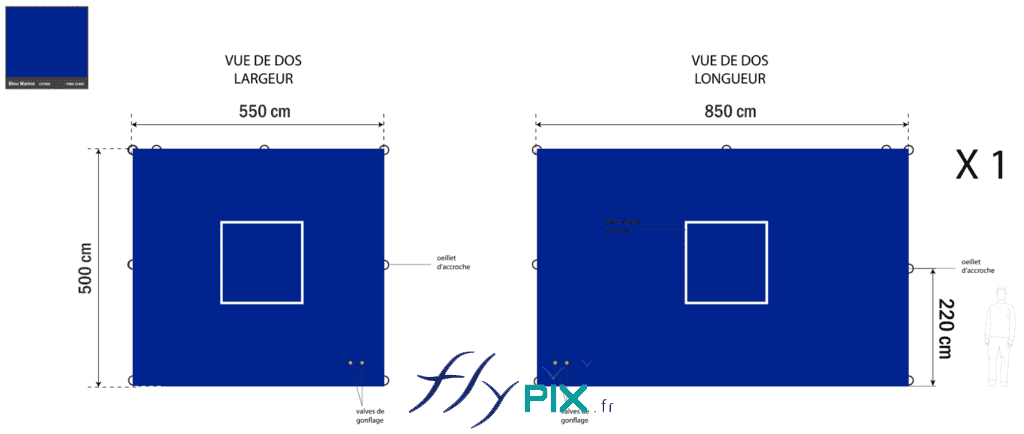
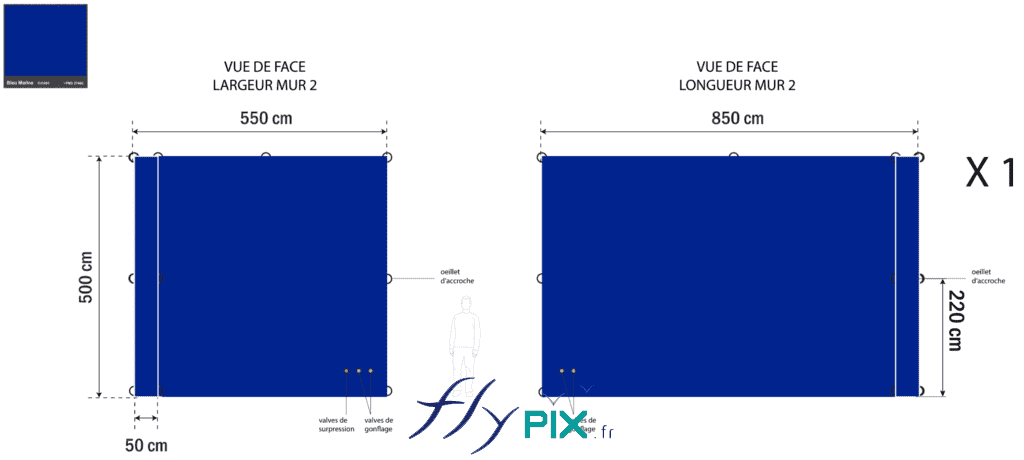
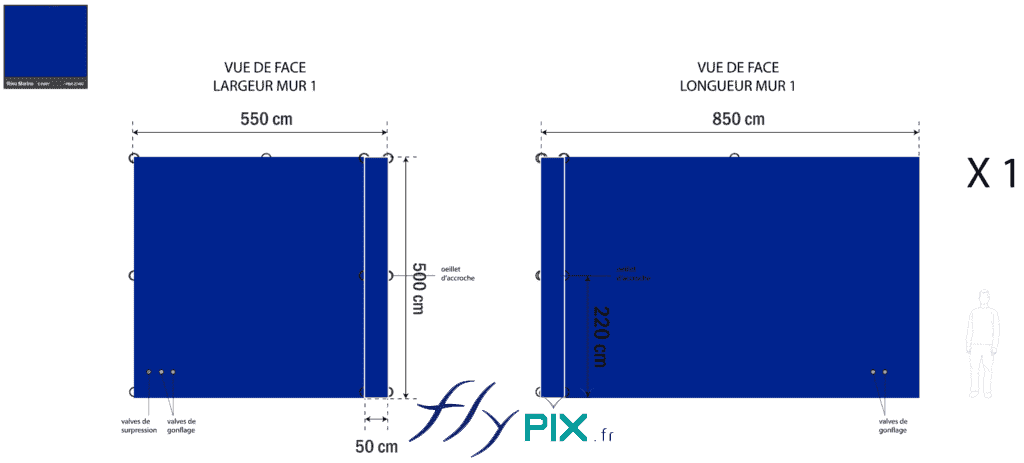
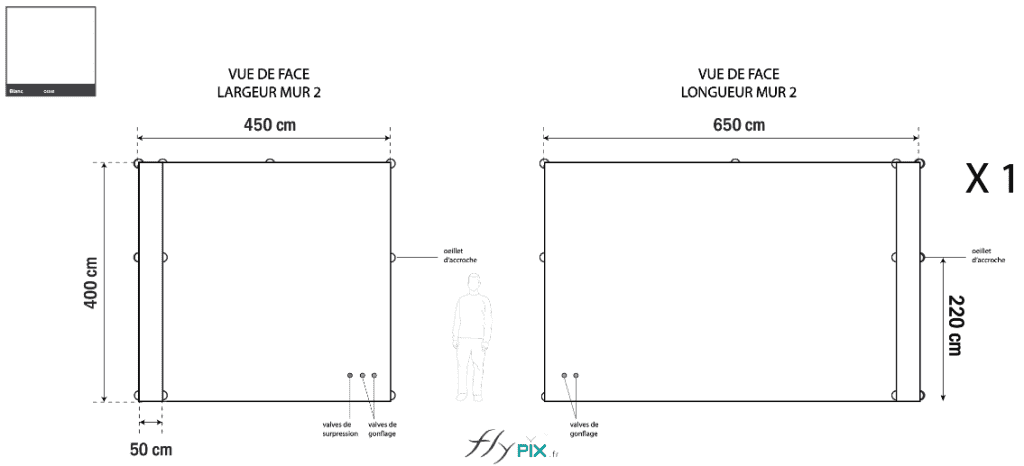
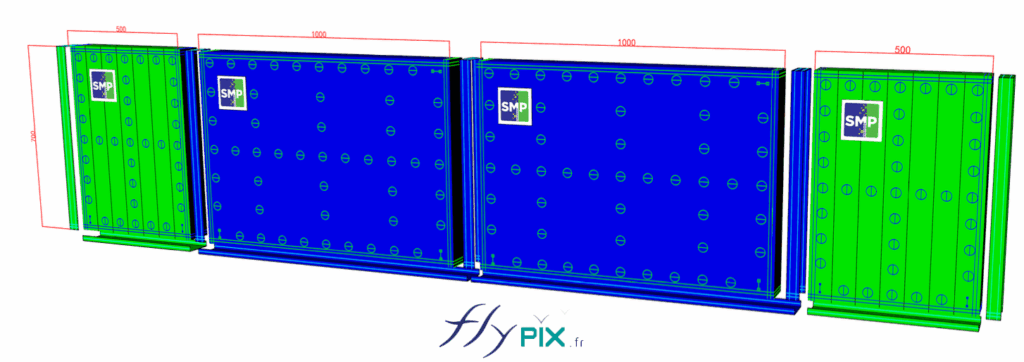
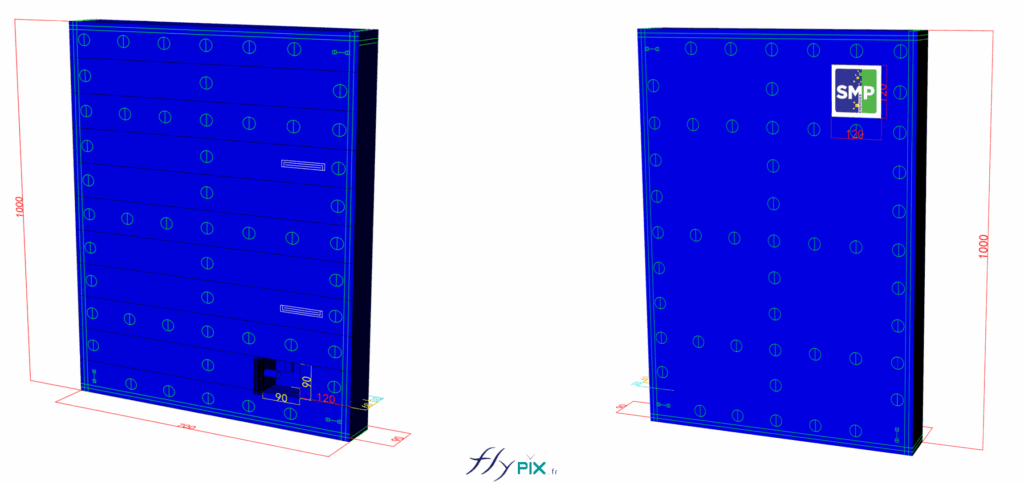
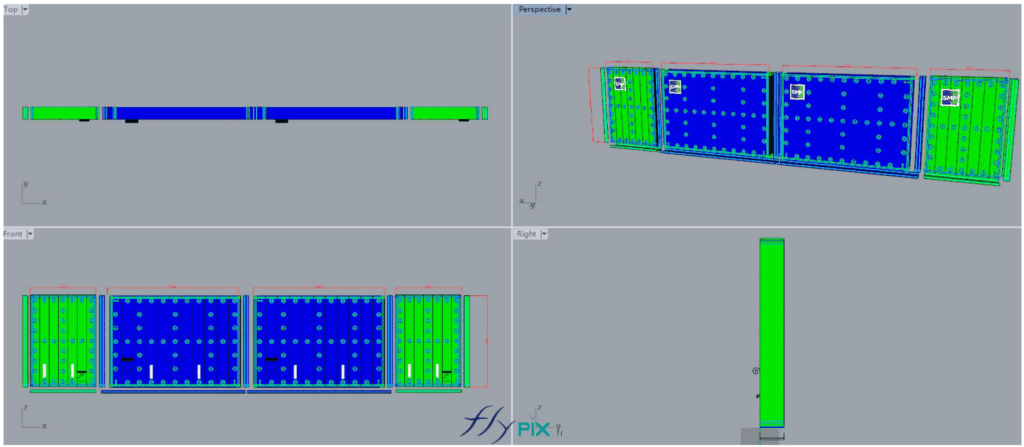
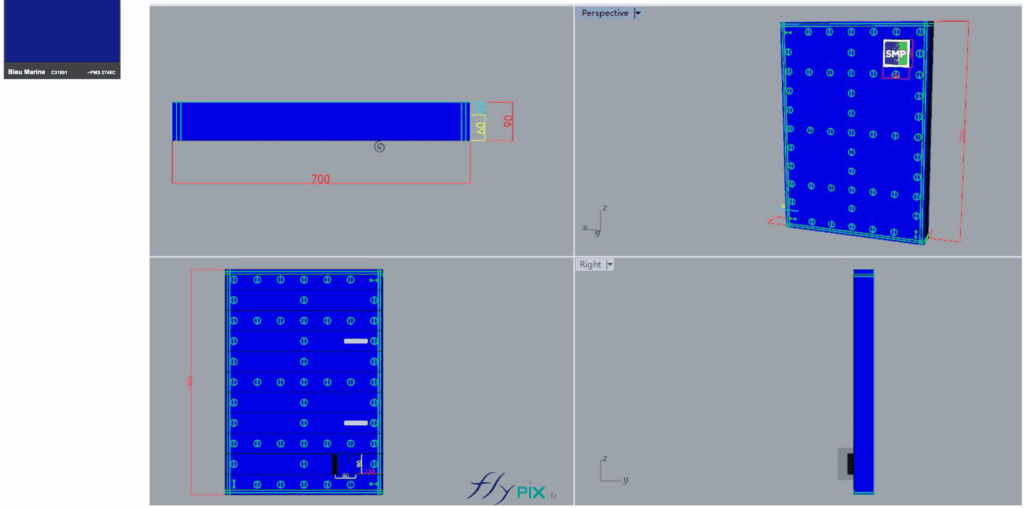
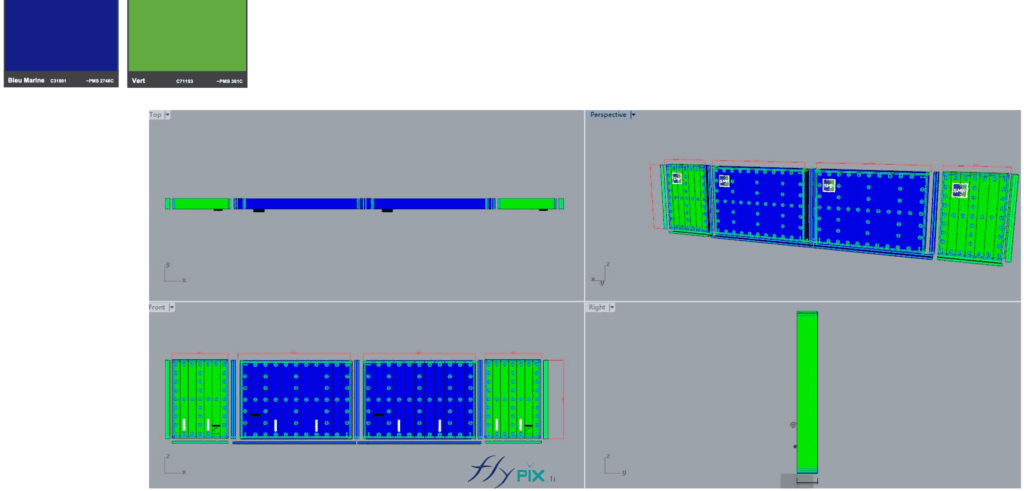
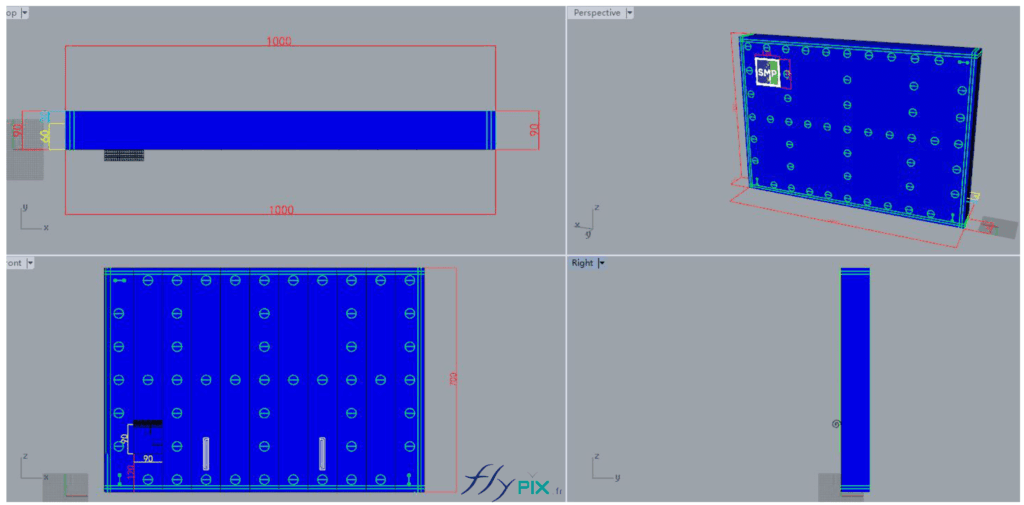
Surrounding these high-signature assets with inflatable noise-reduction enclosures drastically dampens the continuous hum.
This acoustic containment serves a dual purpose: it denies target-acquisition data to adversaries operating passive listening posts nearby, and it protects the sleep cycles and cognitive performance of stationed troops inside the perimeter.
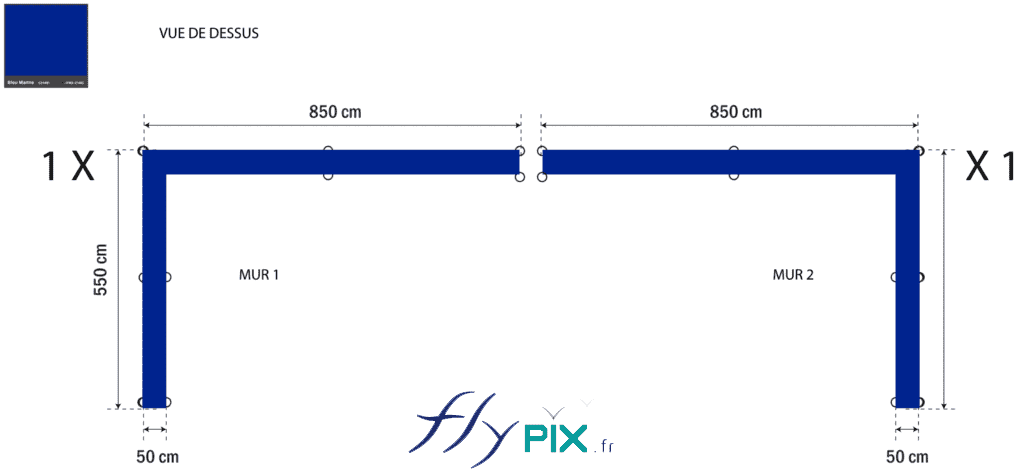
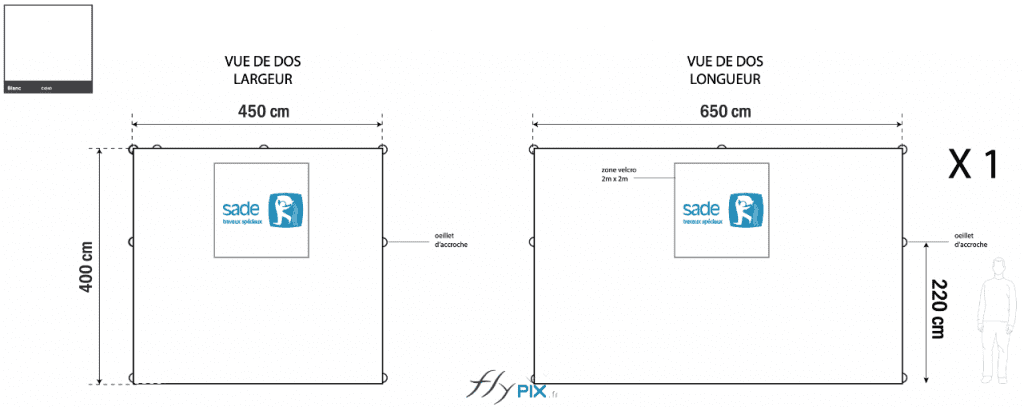
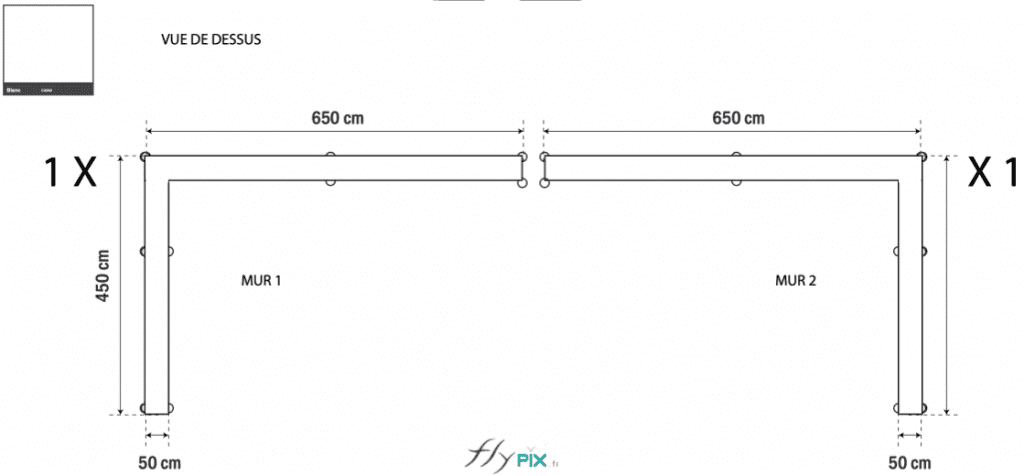
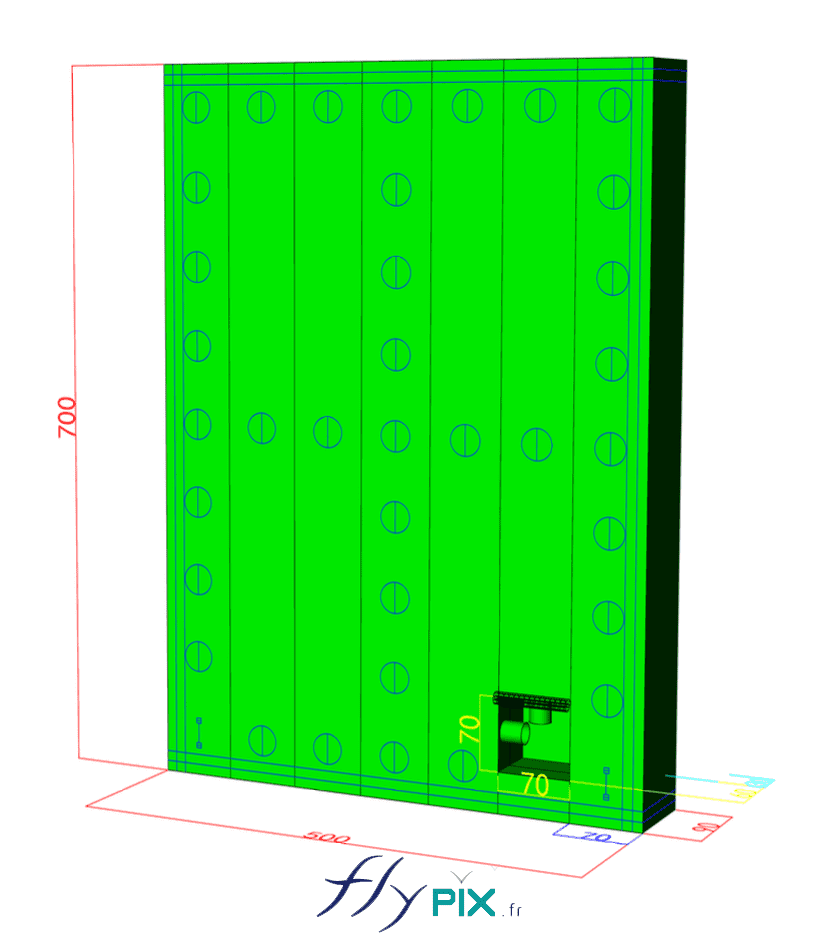
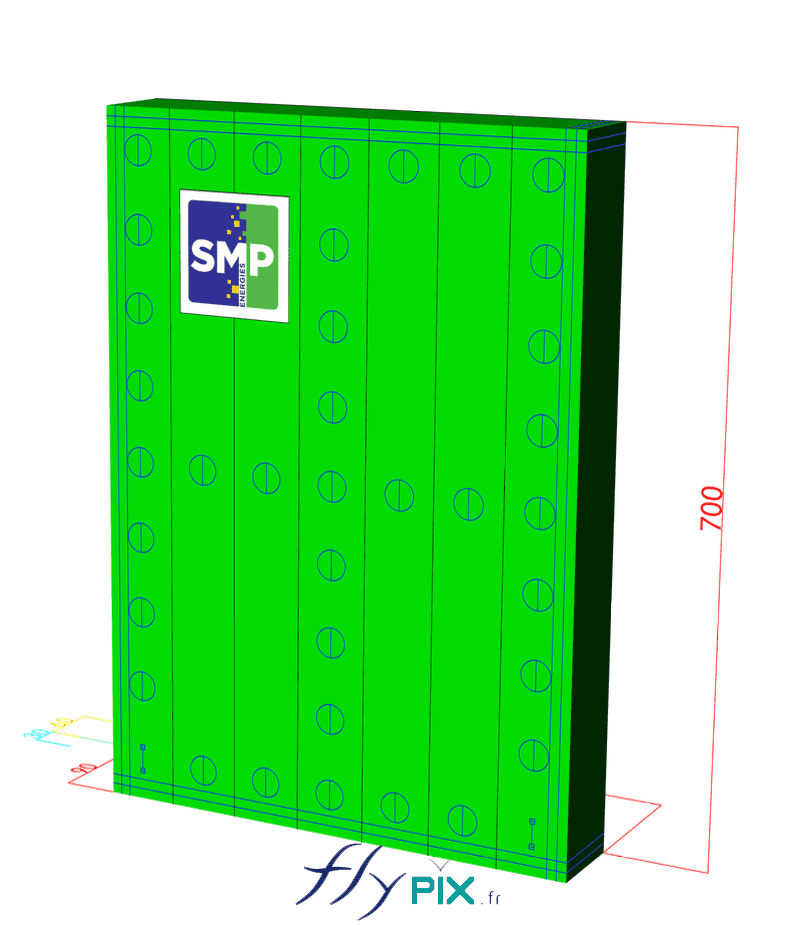
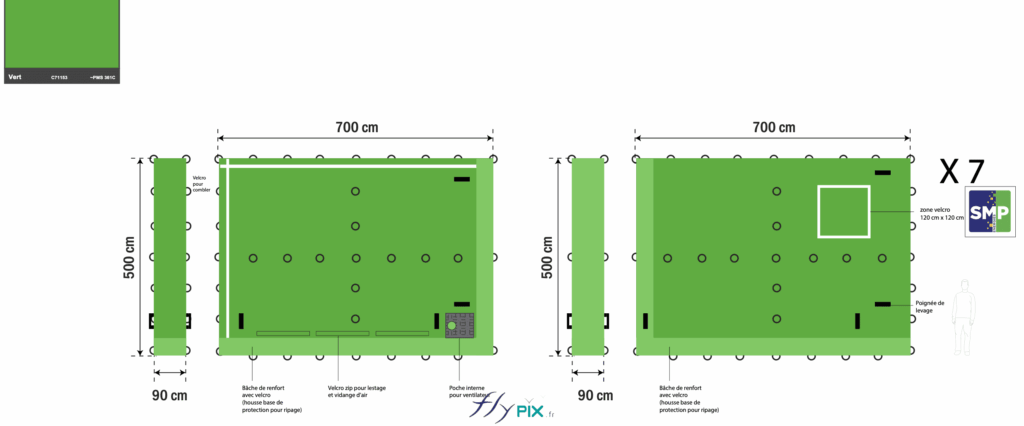
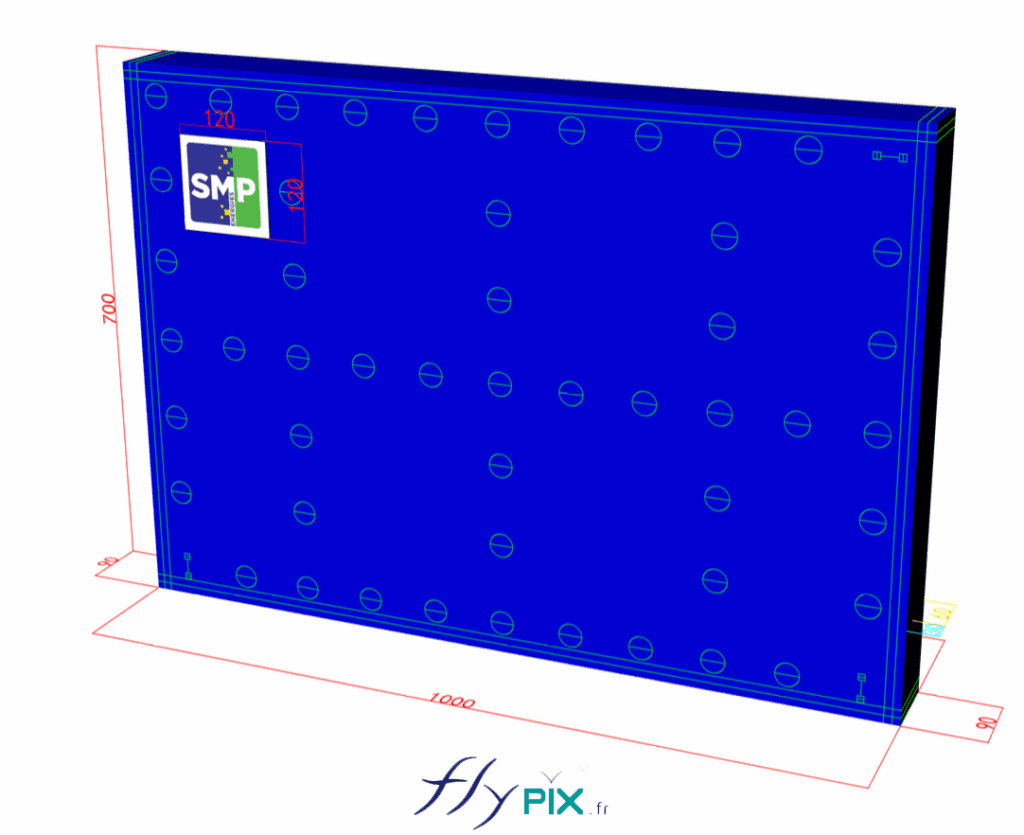
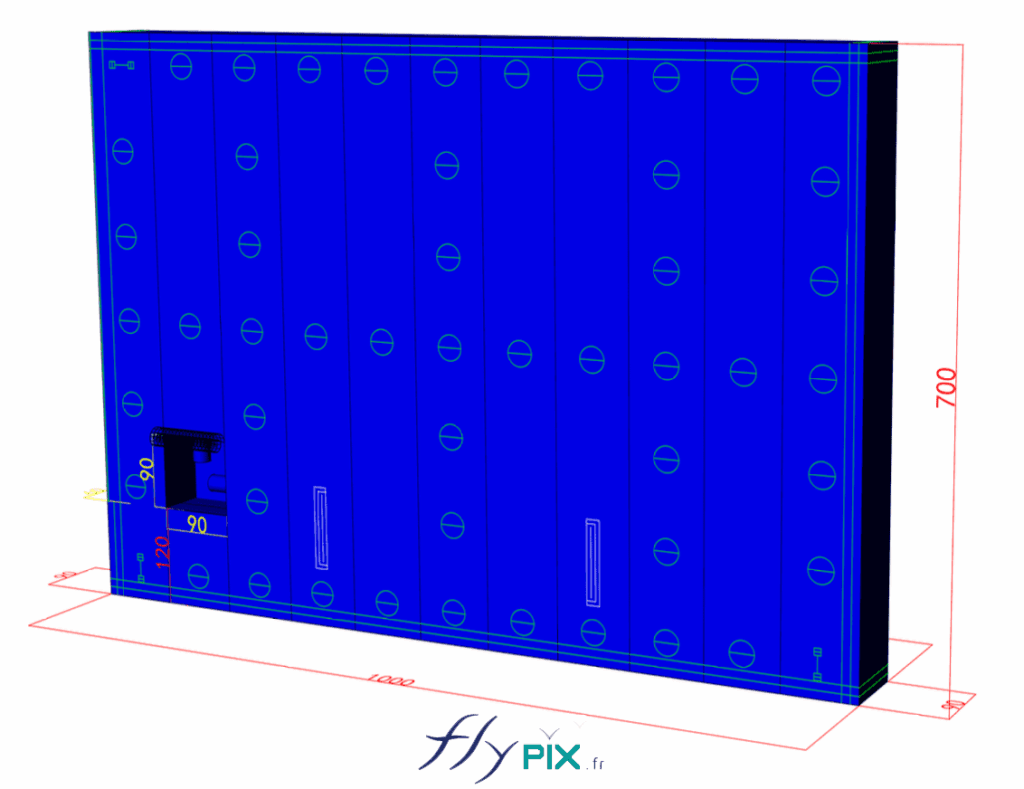
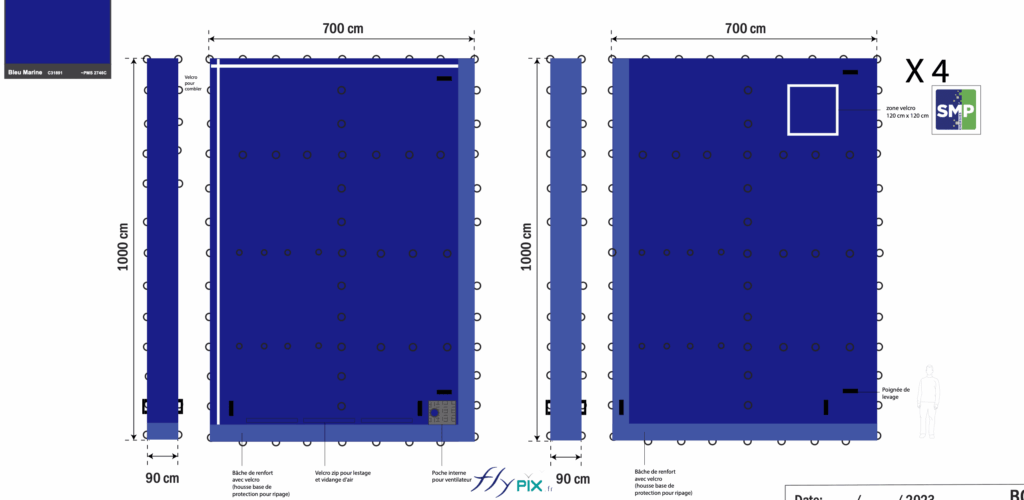
Revolutionizing military training and live-fire exercises
Reducing environmental friction in civil-military relations
Military training centers are frequently located within driving distance of civilian populations, leading to perpetual legal and environmental friction regarding noise pollution from artillery ranges, heavy caliber live-fire drills, and helicopter landing zones.
Inflatable acoustic walls offer an ideal, non-permanent solution for range management.
Large-scale pneumatic barriers can be erected behind firing lines or around mortar pits during specific training cycles.
These barriers absorb the immediate concussive overpressure and direct the sound vector away from nearby municipalities, ensuring regulatory compliance and maintaining positive civil-military relations without permanently altering the landscape.
Enhancing tactical communication in close-quarters battle training
Inside Close Quarters Battle (CQB) shoothouses, the acoustic environment is notoriously hazardous.
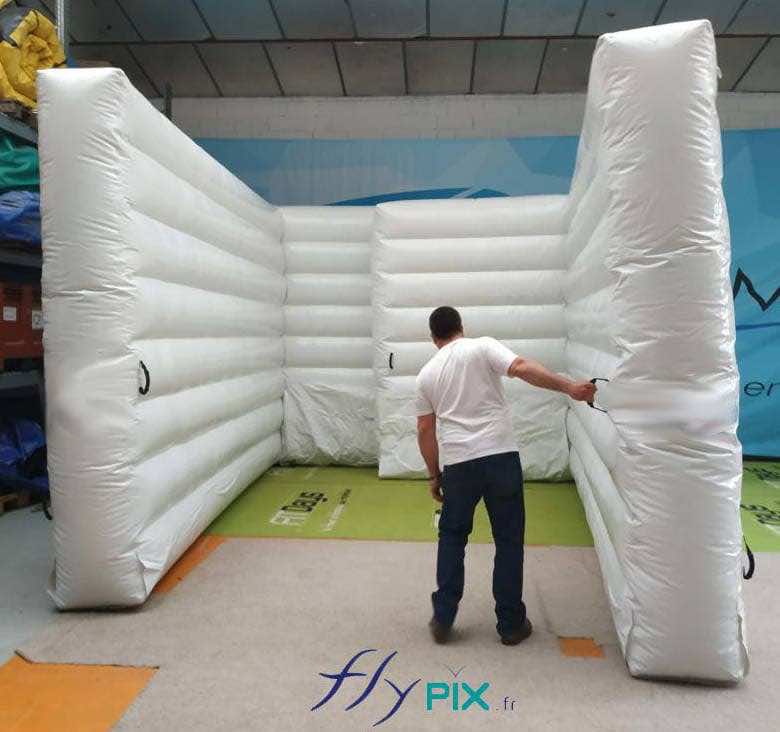
The reflection of muzzle blasts off concrete walls can cause immediate, temporary threshold shifts in hearing, rendering verbal commands and radio traffic unintelligible. By lining training partitions with robust, ballistic-resistant inflatable panels, the internal acoustic reflectivity is neutralized.
Instructors can communicate clearly with trainees, auditory situational awareness is preserved, and the realistic simulation of tactical communication can be maintained safely without relying solely on heavy electronic hearing protection that limits natural spatial audio perception.
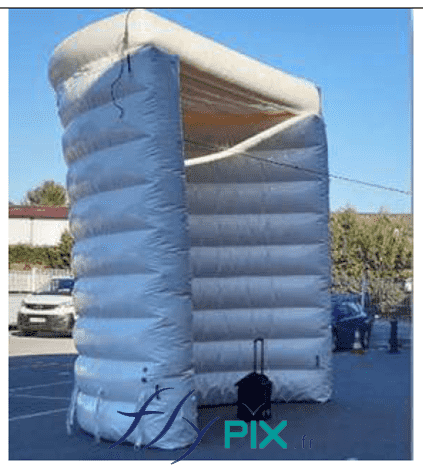
Signatures management and stealth operations
Countering passive acoustic triangulation networks
Peer adversaries deploy sophisticated grids of distributed acoustic sensors designed to triangulate the exact position of artillery pieces, mortar launches, and sniper positions within seconds of firing.
When an asset fires from behind or within an acoustically optimized inflatable enclosure, the shape, intensity, and propagation vector of the muzzle blast are drastically altered.
The acoustic sensor network receives a diffused, delayed, and weakened signal, severely degrading its mathematical ability to calculate a precise counter-battery firing solution.
Integrating thermal and radar cloaking layers
Modern inflatable acoustic walls do not just stop sound; they are designed as multi-spectral signature management suites.
The heavy-duty textiles used in their construction can be impregnated with carbon particles or coated with radar-absorbent materials (RAM) to minimize radio-frequency reflections.
Additionally, the air gap inherent in pneumatic walls acts as an excellent thermal insulator. When placed around hot engines or electronic equipment, the barrier prevents heat signatures from bleeding into the surrounding environment, masking the asset from both enemy thermal optics and acoustic detection simultaneously.
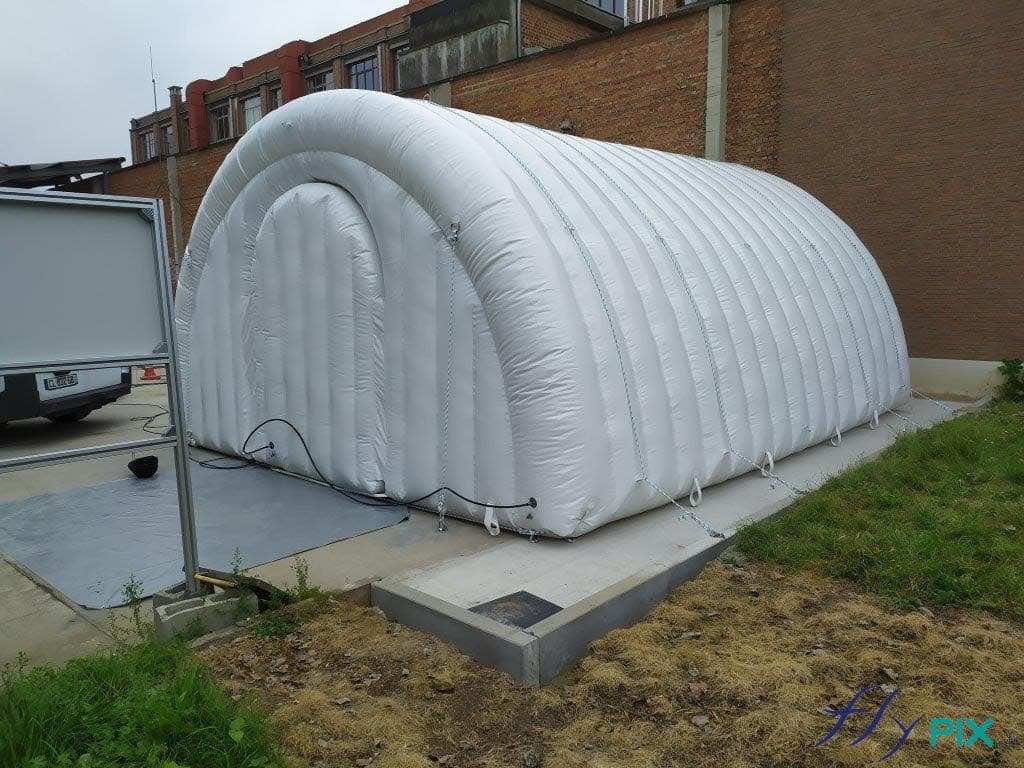
Logistics, mobility, and rapid deployment advantages
Minimizing the airlift and transport footprint
Logistical efficiency wins wars. Traditional concrete blast walls (such as T-walls) require dedicated flatbed trucks, heavy cranes, and substantial fuel allocation just to move a few dozen meters of protection.
A high-performance inflatable wall capable of covering the same linear distance can be deflated, tightly rolled, and packed into standard military pallets or the cargo hold of a single utility helicopter.
This reduction in weight and volume allows rapid-reaction forces to include advanced acoustic protection directly in their initial insertion packages.
Rapid setup and striking via automated pneumatic control
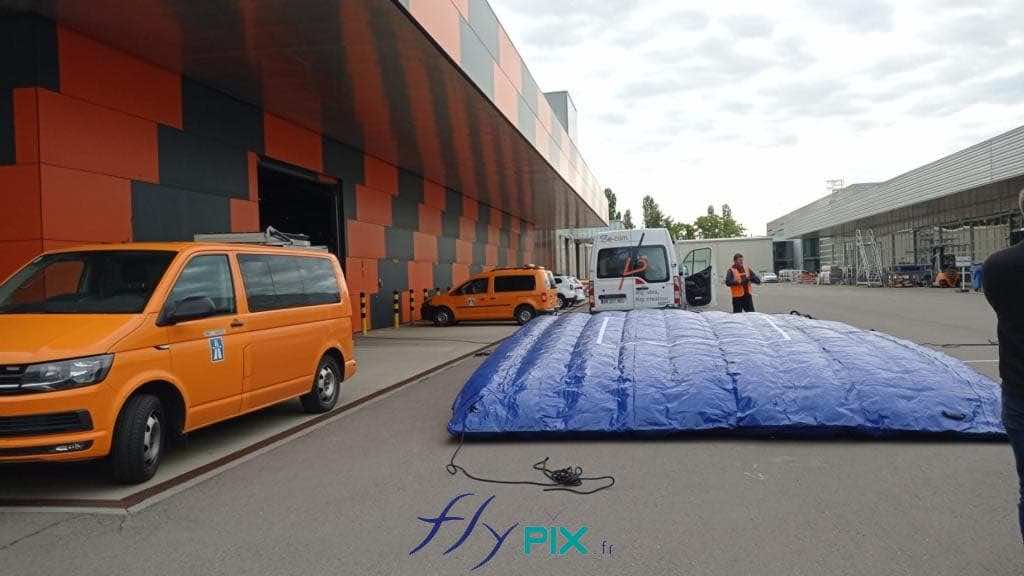
Time is a hostile variable in combat engineering. Inflatable systems can be deployed using vehicle-integrated compressors or small tactical generators, self-erecting in a matter of minutes with minimal manual labor.
Many systems utilize drop-stitch fabric technology, allowing them to be inflated to incredibly high pressures (Psi) so they remain rigid and self-supporting without the need for complex external scaffolding or guy wires.
When a position must be abandoned or relocated under a “bug-out” order, the walls can be rapidly deflated, rolled up, and loaded back into transport vehicles within the same tight tactical window.
Conclusion
The battlefields of tomorrow will be won by the side that successfully manages its signature footprint across all domains.
Inflatable noise-reduction walls and acoustic barriers bridge the critical gap between brute-force protection and high-mobility stealth.
By combining sophisticated acoustic physics with ruggedized, space-saving engineering, these systems empower modern militaries to suppress tactical noise signatures, optimize personnel performance during high-stress training, and maintain operational discretion in contested environments.
As acoustic detection technologies continue to advance, the deployment of pneumatic sound mitigation will evolve from a specialized logistical luxury into an indispensable element of frontline survival and strategic deception.
Related posts:
 Poland: 25 inflatable tents for first aid and mobile field hospitals, for emergencies and care
 Inflatable military hangar L = 25 m x W = 14 m x H = 7 m, S = 350 m2
 Evreux SAMU Hospital Center: inflatable PMA tent, captive air, L = 12 m x W = 6 m, 60m²
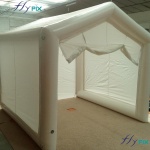 Ceesar: Single-layer PVC inflatable tent with captive air, L = 2.5 x W = 2.5 x H = 2.5 m